About Rooted Diaspora
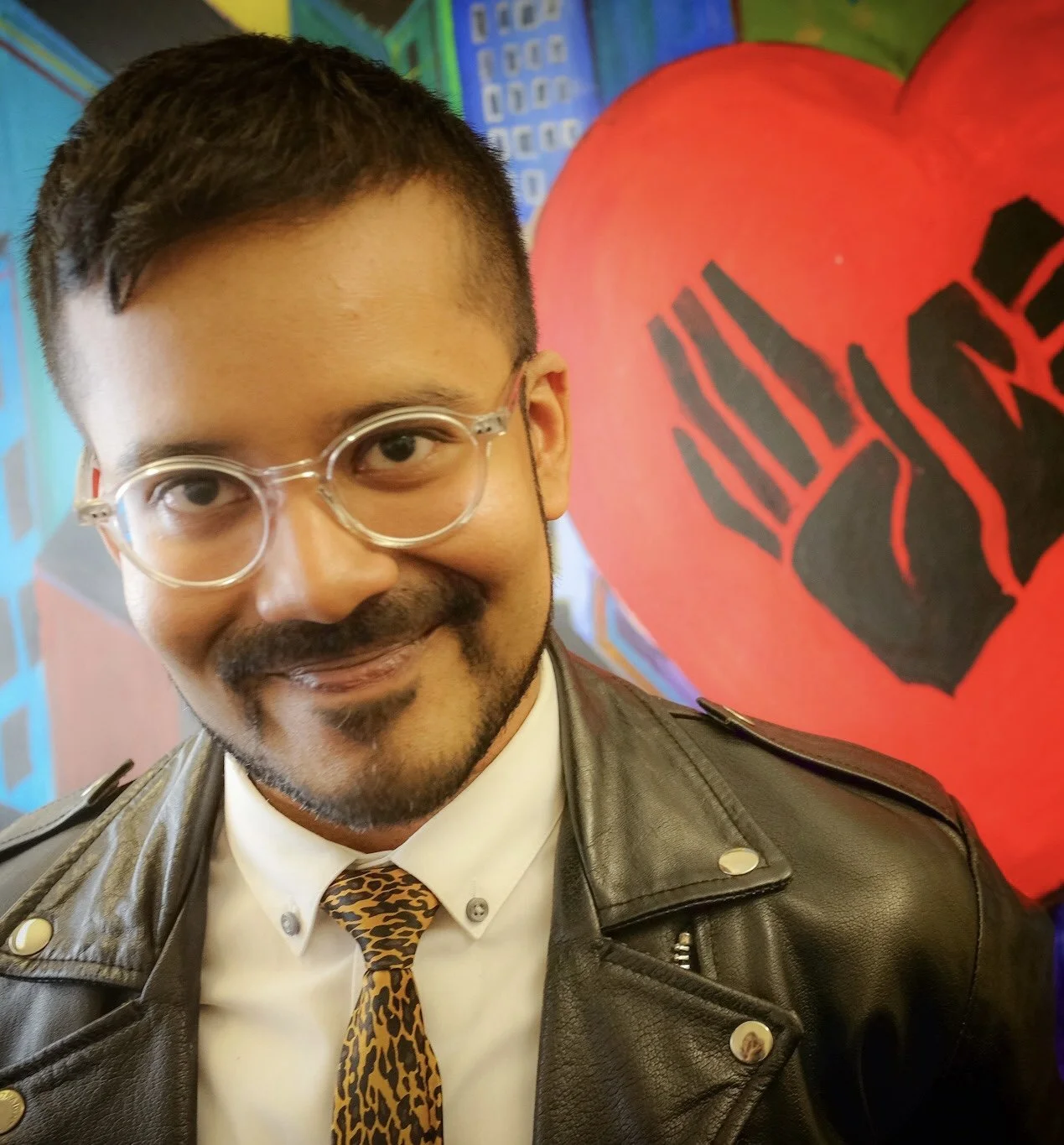
My name is Sadat Iqbal, and I founded Rooted Diaspora Consulting.
This work began in harm reduction during the height of the overdose epidemic — on the frontlines of a crisis that made visible, every day, the distance between what our systems were designed to do and what people actually needed. I saw how that distance could be deadly. I also saw what happened when communities and institutions found each other and decided to close it.
That experience shaped everything that followed. Over time my work expanded beyond substance use into the broader work of building systems that are trauma-informed, equity-centered, and built to last — partnering with behavioral health agencies, hospital systems, public safety initiatives, and community-based organizations to translate research, lived experience, and emerging practice into strategies that hold.
At the same time, systems are only as strong as the people within them. Increasingly, my work includes supporting workforce resilience, supervision structures, and organizational culture through trauma-informed approaches. I believe that equity is not only a policy commitment but a daily practice embedded in how teams function and how communities are engaged.
Rooted Diaspora reflects something I've carried from my own experience: that people who have had to navigate between worlds — between cultures, between systems, between what exists and what their communities need — develop a particular kind of knowledge. The most sustainable solutions draw on that knowledge. They are rooted in community wisdom and grown through collaboration, across sectors and perspectives, with patience and care.
The actions we take today are seeds. With intention, they grow into systems where health, safety, and flourishing are possible for everyone.

Experience Highlights
The work has taken me across sectors, roles, and moments of real institutional pressure. What fifteen years in nonprofit and government settings has taught me is that the distance between a good policy and a functioning program is where most of the important work happens — and that the people closest to the problem usually know the most about how to close it.
My areas of focus include:
Behavioral health, harm reduction, and trauma-informed systems
Mixed-methods applied research and qualitative inquiry
Strategic planning, policy development, and program implementation
Curriculum design and workforce training facilitation
Trusted Across Sectors
Behavioral Health Government Agencies
Supporting state and municipal systems to translate harm reduction and behavioral health policy into operational practice — and to build the workforce capacity to sustain it through leadership transitions and shifting funding landscapes.
Hospital & Health Systems
Helping hospital-based and community-facing behavioral health programs bridge the distance between clinical settings and the communities they serve, with particular attention to crisis response and care integration.
Public Safety–Health Partnerships
Supporting cross-sector collaborations to move beyond parallel systems toward genuinely integrated responses — grounding public safety initiatives in trauma-informed, public health approaches that reflect the complexity of what frontline workers actually encounter.
Nonprofit Human Service Organizations
Working alongside shelters, supportive housing providers, and frontline service agencies to strengthen the organizational cultures and workforce practices that determine whether people feel safe enough to walk through the door and return.
Professional Associations & Training Providers
Designing and facilitating workforce development that meets people where they are — building field capacity through training grounded in both evidence and the lived experience of the communities the work is meant to serve.
Universities & Academic Institutions
Translating research into practice-ready frameworks, developing curriculum that bridges academic knowledge and community wisdom, and supporting applied systems strategy that keeps scholarship connected to real-world implementation.
The decisions we make today shape the systems we inherit tomorrow. Let’s cultivate what comes next.